When Conspiracy Thinking Becomes a Disaster Risk:
How Misinformation Destroys Preparedness
In emergency management, we often focus on visible threats; earthquakes, wildfires, hurricanes, power outages, cyberattacks, and civil unrest.
But one of the most dangerous threats is invisible:
Misinformation is fueled by conspiracy thinking.
When people reject credible sources, assume hidden motives behind every warning, or distrust all institutions, they become harder to protect, harder to lead, and less likely to prepare.
This creates a dangerous gap between risk and readiness.
Whether in a household, workplace, school, or community, distrust can spread faster than smoke.
And when crisis strikes, that confusion can cost lives.
What Is Conspiracy Thinking in Emergency Planning?
Conspiracy thinking is the belief that major events are secretly controlled by hidden groups acting with malicious intent.
Psychologist Dr. Karen Douglas, a leading researcher on conspiracy beliefs, notes these ideas often appeal to people seeking certainty, control, or uniqueness.
https://www.apa.org/news/podcasts/speaking-of-psychology/conspiracy-theories
During emergencies, this may sound like:
• “The wildfire evacuation is exaggerated.”
• “The storm warnings are fake.”
• “The power outage was planned.”
• “Emergency shelters are unsafe traps.”
• “Government responders are hiding the truth.”
These beliefs can delay action and increase exposure to danger.
How Misinformation Harms Families
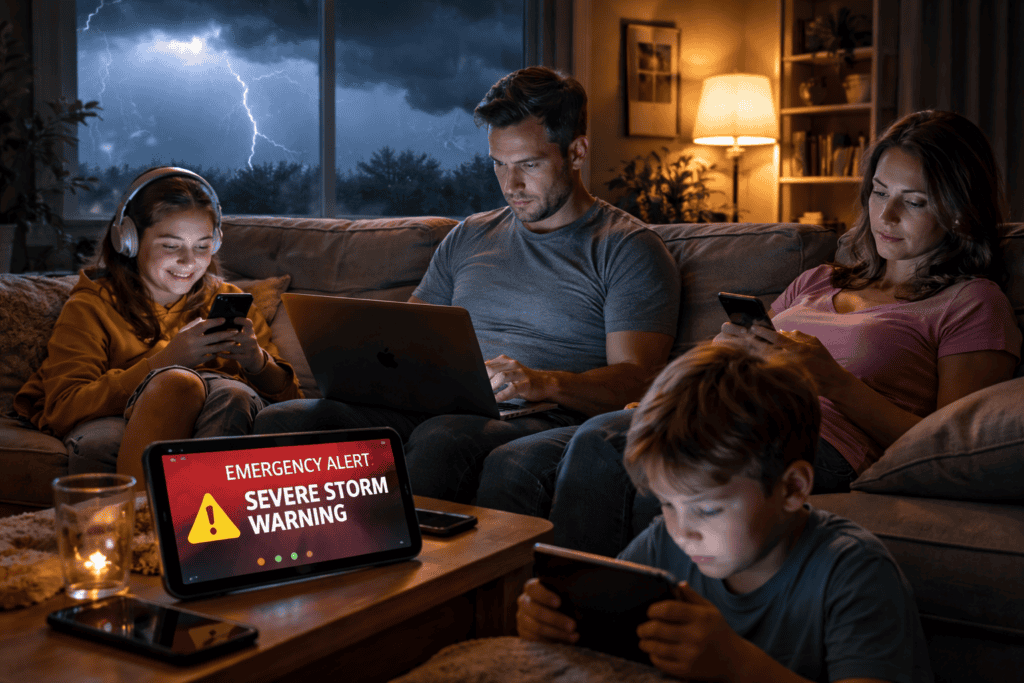
Preparedness depends on trust.
Families must trust evacuation alerts, weather warnings, utility notices, and medical guidance.
When one member embraces constant suspicion, planning becomes conflict.
Instead of building a go-bag, they argue.
>Instead of choosing rally points, they debate motives.
>Instead of leaving early, they wait too long.
According to FEMA, people should act early when local officials issue evacuation orders. Delays can be deadly.
https://www.ready.gov/evacuation
Common Household Risks:
1. Delayed Evacuation
Waiting until danger is visible can trap families in traffic, floodwaters, or fire zones.
2. Communication Breakdown
Loved ones stop sharing information because every discussion becomes a fight.
3. Emotional Exhaustion
Constant fear and distrust create stress, especially for children.
How It Harms Businesses and Organizations
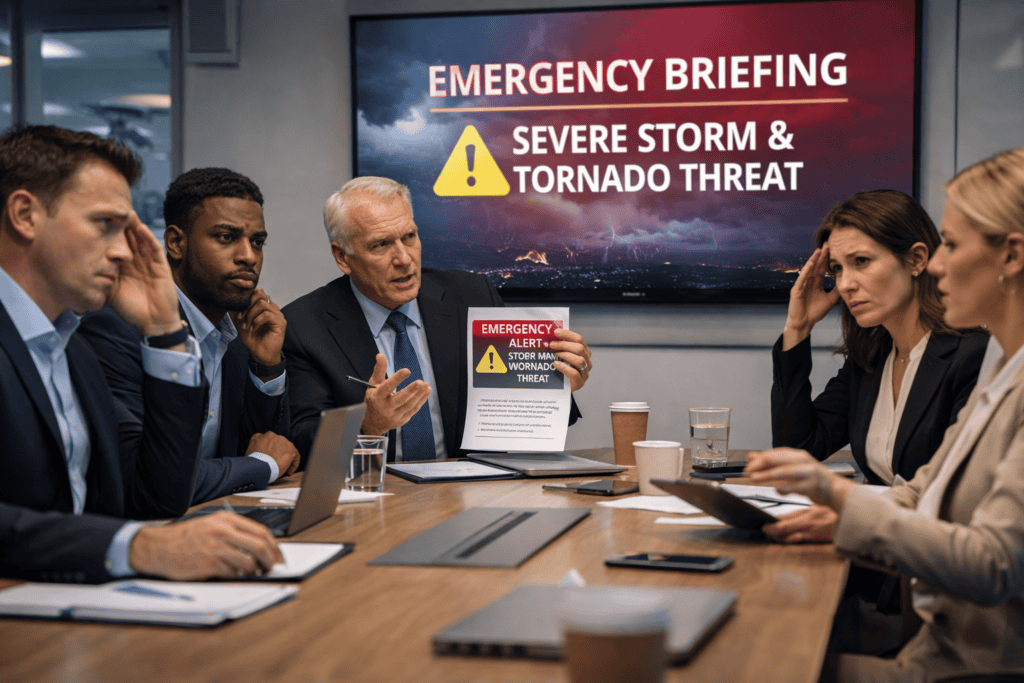
For leaders, conspiracy-driven thinking can destroy continuity planning.
Imagine employees who refuse drills, ignore safety notices, reject cybersecurity training, or spread false claims during crisis response.
That creates operational chaos.
The U.S. Cybersecurity & Infrastructure Security Agency (CISA) emphasizes trusted communication and verified information during disruptions.
https://www.cisa.gov
Organizational Consequences:
• Lower compliance with emergency procedures
• Distrust of leadership communication
• Slower response during incidents
• Reputation damage
• Workplace division
Preparedness is not only logistics, it is culture.
Why People Fall Into It
In uncertain times, people crave certainty.
Conspiracy narratives offer simple villains and dramatic explanations for complex events.
And disaster management requires the opposite:
• humility
• evidence
• adaptability
• calm decision-making
• teamwork
The CDC stresses clear, credible communication during emergencies because fear increases rumor spread.
https://www.cdc.gov/cpr/readiness
How Leaders Counter the Problem
1. Build Trust Before Crisis
Trust cannot be invented during disaster.
Communicate consistently now.
2. Use Reliable Sources
Teach families and teams to verify through:
• NOAA
• FEMA
• Ready.gov
• Local emergency management offices
• Public health departments
3. Practice Plans Together
People trust what they rehearse.
Run drills, review routes, test communication plans.
4. Set Boundaries with Chronic Fear Spreaders
Do not let one person sabotage readiness for everyone else.
Stay respectful—but stay grounded.
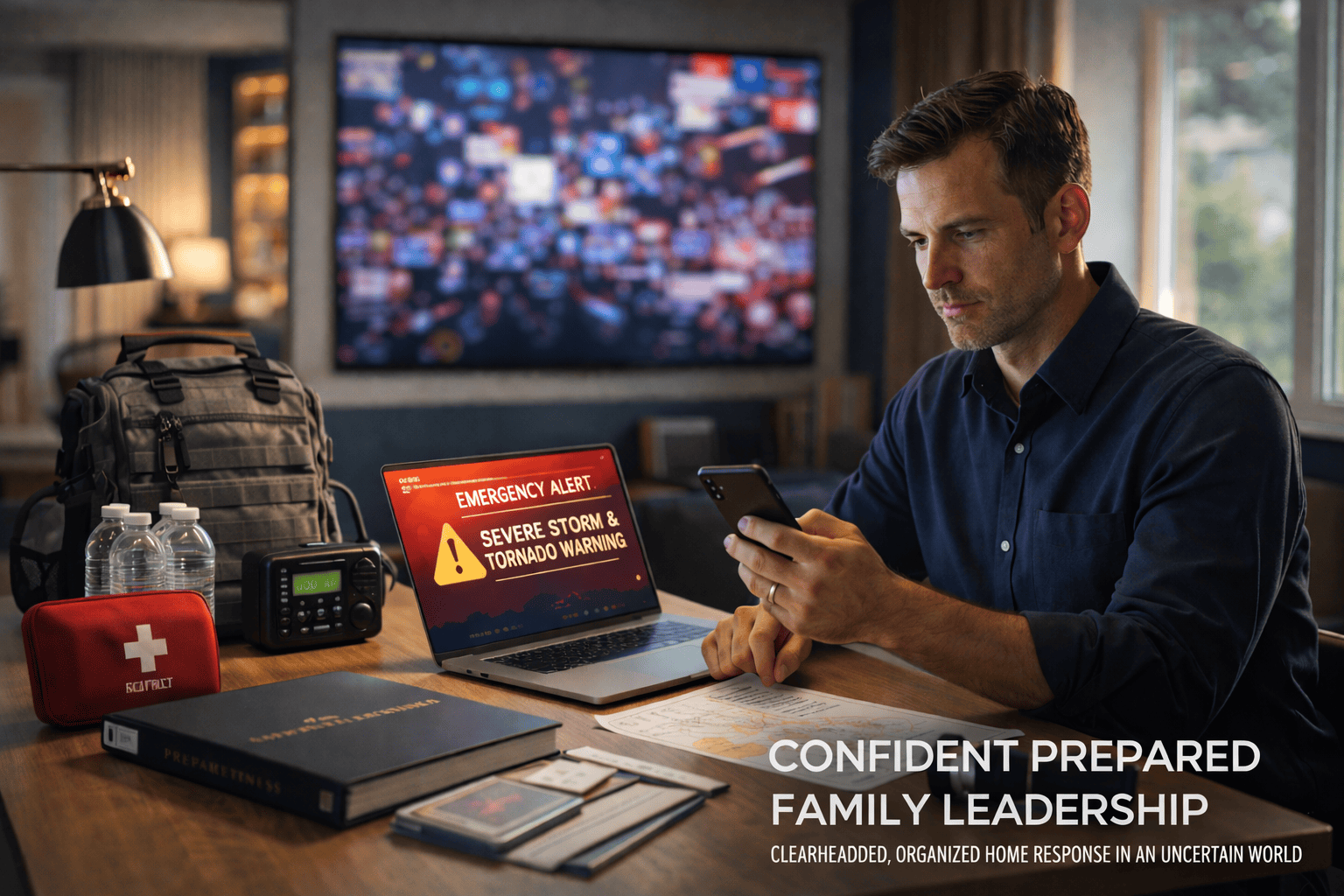
Preparedness Is Leadership
Emergency planning is not paranoia.
It is calm responsibility.
Conspiracy thinking says:
“Trust no one.”
Preparedness says:
“Verify facts, build plans, protect people.”
That difference matters.
In every household, business, and school, trust is a survival asset.
Conclusion
The next disaster may be physical.
But long before it arrives, misinformation can already be doing damage.
Families delay.
Organizations fracture.
Leaders hesitate.
People lose faith in credible warnings.
The solution is not fear.
>It is leadership.
>It is preparation.
>It is truth anchored to action.
Call To Action
Want to know if your family or organization is truly ready?
Visit www.eapready.com/starthere and complete a free readiness snapshot today.
________________________________________
Additional Information: Family Resiliency in Times of Crisis
Till next time
Stay Informed and Stay Safe
Daniel Kilburn
Founder-Emergency Action Planning LLC
P.S. Real preparedness is built on facts, clear thinking, and calm action—not fear-driven speculation. If you’d like to strengthen your family or organization’s readiness, visit EAPReady.com/starthere and take the first step today. Stay informed, stay grounded, and stay safe.