Why Wildfire Preparedness Is Leadership
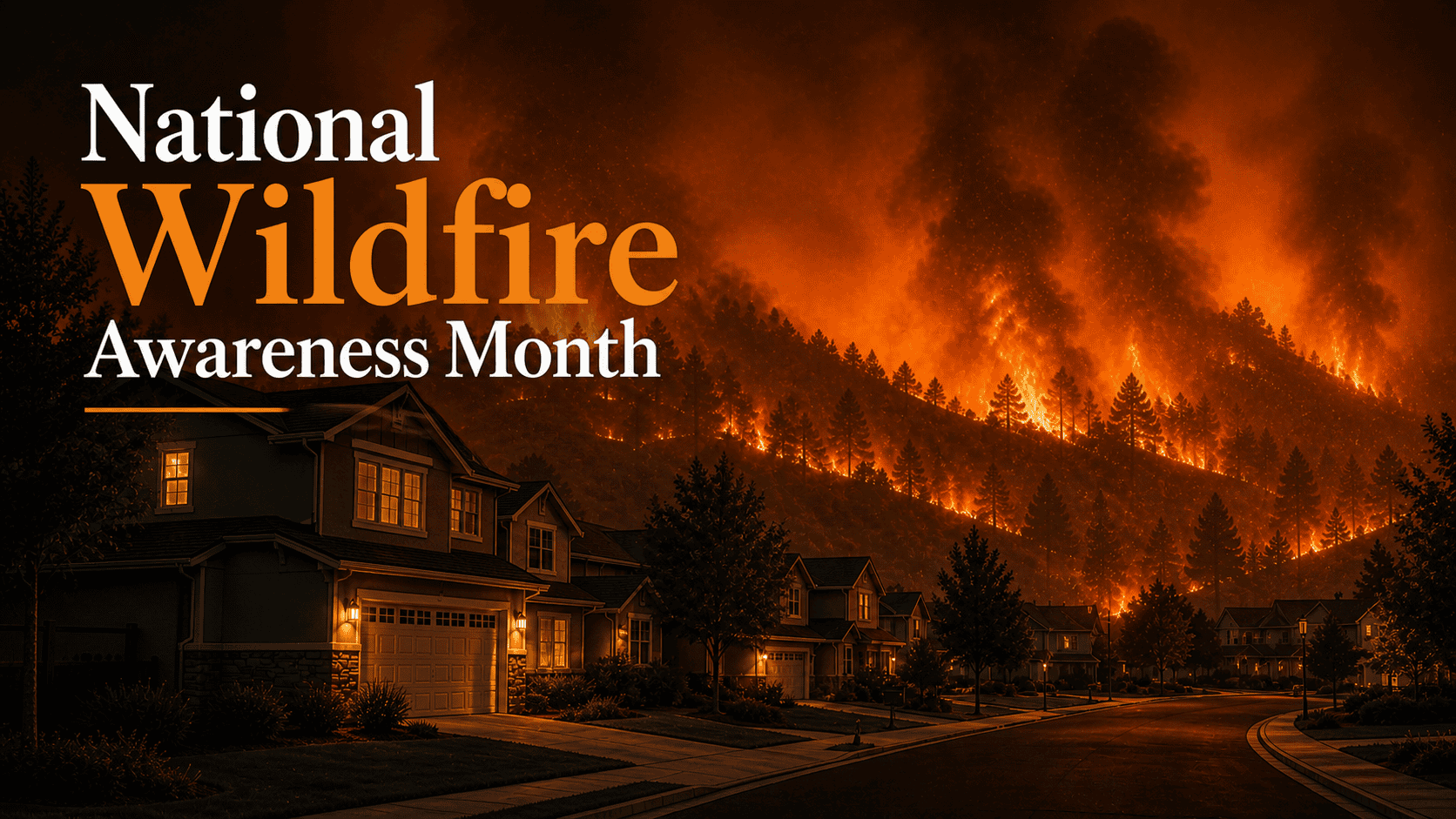
Every May, National Wildfire Awareness Month reminds us of a simple truth—wildfires don’t wait for us to be ready. They move fast, strike unexpectedly, and leave lasting damage behind.
But here’s the shift: preparedness isn’t about fear—it’s about leadership.
Whether you live in a high-risk zone like California or in a region where wildfires seem unlikely, the reality is this—wildfire risk is everyone’s responsibility. In fact, humans cause nearly 68% of wildfires in the United States each year, burning millions of acres .
This guide will walk you through practical, actionable steps to reduce risk, protect your family, and lead with confidence before a wildfire ever starts.
What Is National Wildfire Awareness Month?
National Wildfire Awareness Month is dedicated to prevention, preparedness, and education.
Originally recognized in western states where wildfire risk is highest, the message has expanded nationwide:
➡️ Awareness saves lives
➡️ Preparation protects property
➡️ Action reduces risk
You can explore official resources from the National Interagency Fire Center to deepen your understanding of wildfire behavior and safety.
Understanding the Real Risk of Wildfires
Wildfire Statistics That Should Get Your Attention
- Over 8 million acres burned in a single recent year
- 85% of wildfires are human-caused
- California consistently ranks #1 in wildfire incidents
- Texas and North Carolina are also high-risk states
These aren’t just numbers—they represent homes lost, families displaced, and communities disrupted.
And here’s the critical takeaway: most wildfires are preventable.
Wildfire Prevention Tips Everyone Should Follow
- Practice Safe Fire Use Outdoors
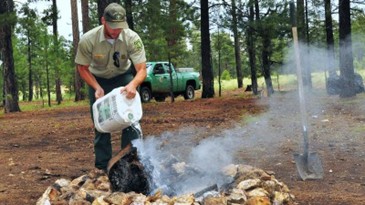
- Fully extinguish campfires with water and dirt
- Never leave a fire unattended
- Follow local fire restrictions
- Maintain Equipment and Vehicles
- Avoid dragging chains that create sparks
- Keep vehicles well-maintained
- Use spark arrestors on equipment
- Burn Debris Responsibly
- Only burn when conditions are safe
- Monitor wind and weather conditions
- Follow local guidelines
These simple actions can dramatically reduce wildfire risk—and they’re fully within your control.
For more detailed prevention strategies, visit:
👉 https://www.nifc.gov/fire-information/fire-prevention-education-mitigation/wildfire-prevention
Preparation isn’t complicated—but it does require intention.
Create Defensible Space
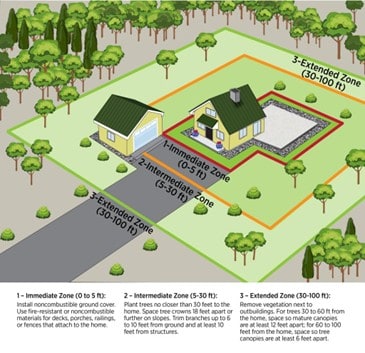
- Clear vegetation within 30–100 feet of your home
- Remove dry leaves, branches, and debris
- Space trees and shrubs to reduce fire spread
Use Fire-Resistant Materials

- Install fire-resistant roofing
- Upgrade vents to prevent ember entry
- Use non-combustible landscaping materials
Build a Family Emergency Plan

- Identify evacuation routes
- Establish communication protocols
- Prepare a go-bag with essentials
👉 Internal Resource: Start with your Family Readiness Snapshot:
What To Do During a Wildfire
When a wildfire approaches, clarity beats panic.
Follow These Critical Steps
- Monitor alerts and evacuation orders
- Leave early—don’t wait until the last minute
- Close windows and doors to prevent embers
- Take your emergency kit and essential documents
If evacuation isn’t possible, identify a safe shelter location inside your home and stay informed.
Leadership Mindset: Preparedness Over Panic
Daniel, this is where your message lands strong.
Wildfire preparedness isn’t just about survival—it’s about leading your family with calm confidence.
When you:
- Have a plan
- Practice your response
- Reduce your risk
You shift from reacting… to leading.
And that changes everything.
Conclusion: Small Actions Create Massive Protection
National Wildfire Awareness Month is more than a reminder—it’s a call to act.
You don’t need to do everything today.
But you do need to start.
Because the families who prepare:
- Respond faster
- Recover stronger
- Sleep better at night
Call to Action
Start simple. Stay consistent.
👉 Take your next step today:
Complete your Family Readiness Snapshot
https://eapready.com/family

Or explore more preparedness insights on this blog:
https://emergencyactionplanning.com/blog
Additional Information: Wildfires Are A Year-Round Concern
Till next time
Stay Informed and Stay Safe

Daniel Kilburn
Founder Emergency Action Planning LLC
P.S.
Preparedness isn’t just about reacting to emergencies—it’s about stepping into the role you were meant to lead.
If you’re ready to move beyond uncertainty and build the kind of clarity, confidence, and direction your family, team, or organization needs…
Visit What’s The Plan, Dan, at whatstheplandan.com.
Inside, you’ll discover practical tools, leadership insights, and proven frameworks designed to help you think clearly, act decisively, and lead before disruption ever begins.
Because the question isn’t if challenges will come…
It’s whether you’ll be ready to lead when they do.