Proactivity vs. Reactivity

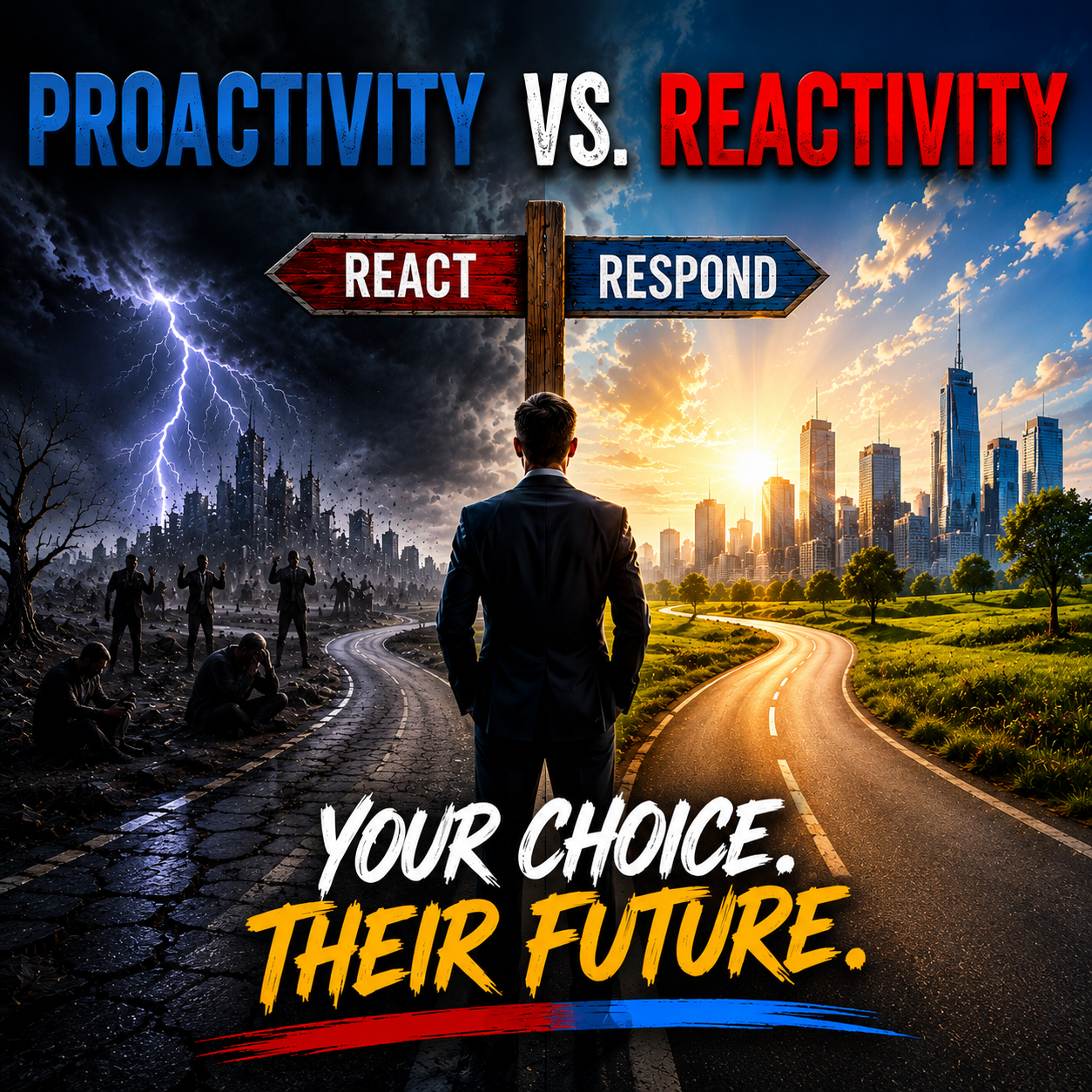
Proactivity vs. Reactivity: The Leadership Difference That Determines Outcomes It happens to the best of leaders. At the most inopportune moment, stress surfaces and, even before you know what is happening, you have reacted in a way that you later regret. This phenomenon is so common that it is almost a expected. But what causes … Read more

The Power of One Decision: CPR, Resilience & The Ripple Effect

Brad & Kiera Newbury graphic

When Preparedness Becomes Personal: Ordinary People Can Do Extraordinary Things CPR preparedness is a very practical area for a family to become prepared in, yet it is one of the most underrepresented preparedness areas that we encounter in the work that we do until there is an actual emergency. I recently had the privilege of … Read more

Chapter 11: Boards, Funders, and Stakeholders

Chapter 11 Boards Funders and Stakeholders

Leadership Before Confidence Is Lost There is a moment during every major disruption when leaders realize the crisis is no longer internal. The conversation leaves the operations room and enters the boardroom. Questions begin to surface quickly: Were we prepared? What systems failed? How exposed are we? What happens next? Can leadership still be trusted? … Read more

Chapter 7: Remain Resilient

Chapter 7 Remain Resilient

Chapter 7:  Remain Resilient—Lead When the Plan Breaks Every leader values a good plan. Plans create structure, reduce uncertainty, and provide a path forward. But leadership is not truly tested when everything goes according to plan. It is tested when the plan no longer fits reality. In Chapter 7 of Why Plans Don’t Prepare You: … Read more

Chapter 6: Assess Progress

Chapter 6 Assess Progress

Assess Progress—Test What You Think You Have Taking action is essential, but action alone does not guarantee readiness. Many leaders feel more confident once tasks are completed, documents are updated, and responsibilities are assigned. Yet confidence built on assumptions can disappear the moment reality puts those efforts to the test. In Chapter 6 of Why … Read more